The Cinnamon Mistake: The Jar in Your Cabinet May Be the Wrong Plant Entirely
Millions of people over 50 sprinkle it into their coffee every morning hoping it will help their blood sugar. Most of them are using a plant that was never the one the researchers studied. And the label is allowed to hide it.
Here’s something the spice industry has quietly counted on for a hundred years:
The word “cinnamon” on a label doesn’t tell you which plant is inside.
And there are two.
They look alike. They smell alike.
Their insides are not remotely the same.
And the one sitting in most American kitchens right now is the cheap one. The one that was never the star of the studies people keep hearing about.
If you’ve ever added cinnamon to your routine for months… watching, waiting, wondering why the number on the meter never seemed to shift…
Keep reading.
You didn’t do anything wrong.
You may have simply had the wrong plant in the jar.
First, a 10-Second Test You Can Do Right Now
Go to your cabinet. Pull out the jar.
Read the label.
Does it say “Ceylon”?
Or does it just say “cinnamon”?
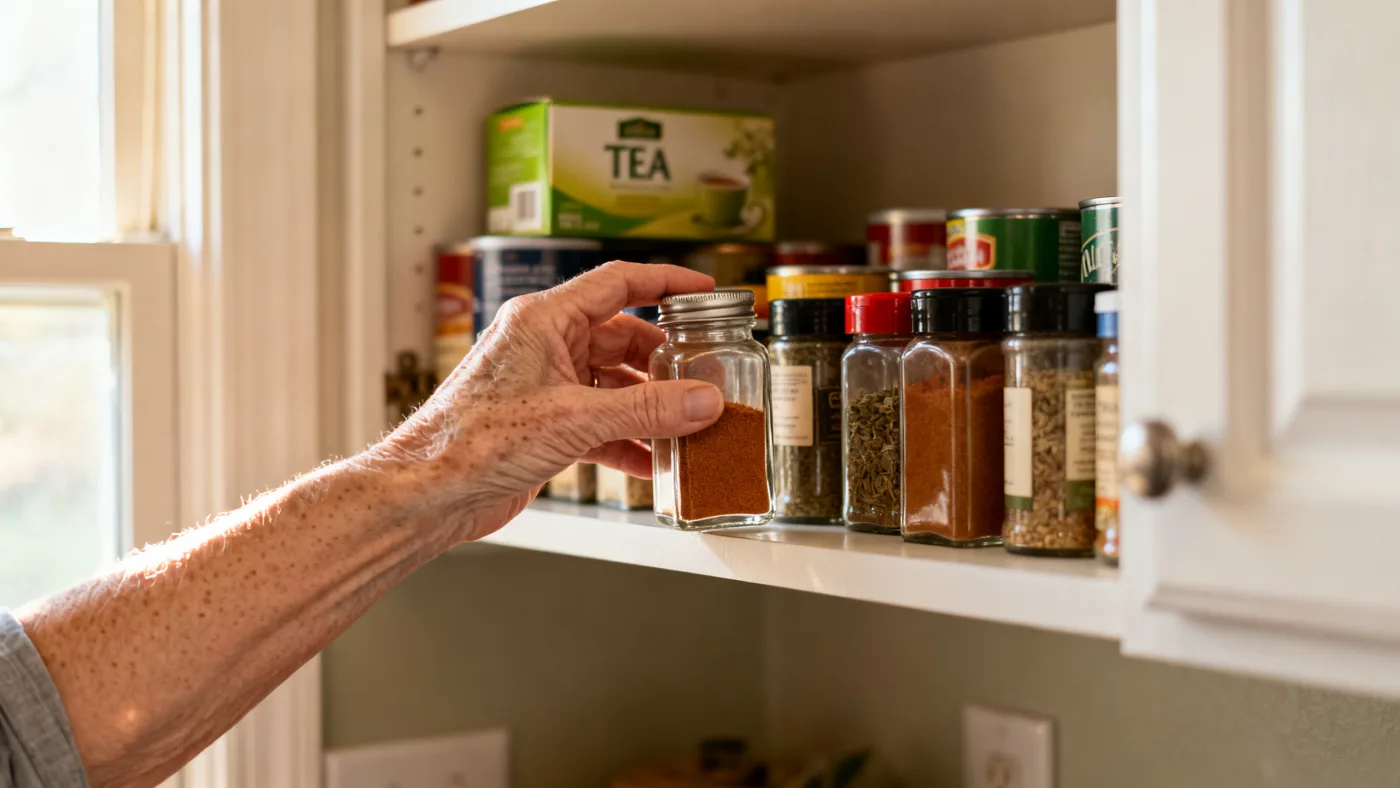
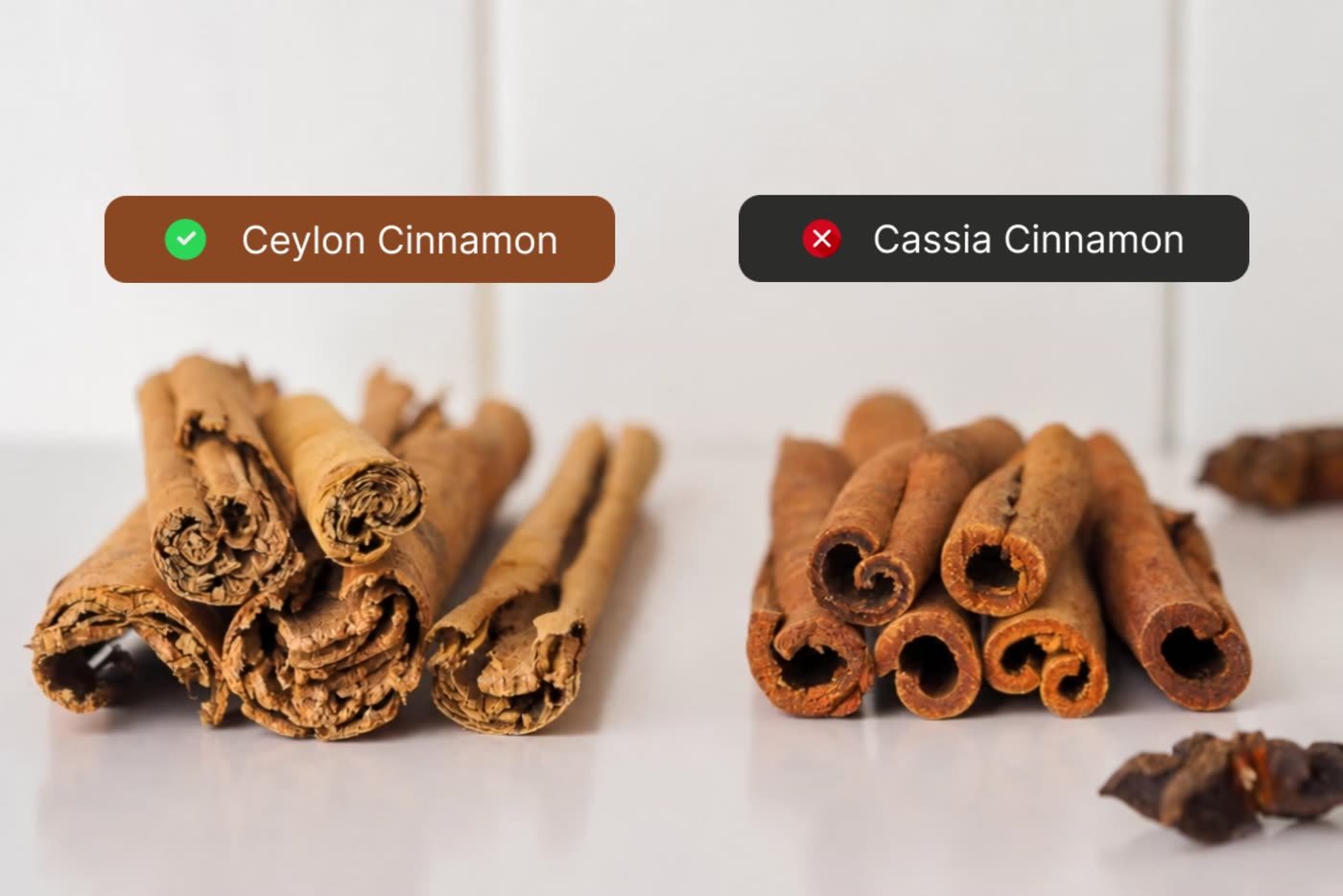
If it just says “cinnamon,” you are almost certainly holding cassia.
A tougher, cheaper bark from China and Indonesia. One thick roll that curls in on itself. Harvested industrially, at scale, by the ton.

Real Ceylon is a different plant.
Cinnamomum verum. The scientific name literally means “true cinnamon.”
It grows in one narrow strip of land in southwestern Sri Lanka. It’s peeled by hand from the thin inner layer of the bark and rolled into extremely fine layers. You can count ten or more paper-thin sheets inside a single Ceylon stick.
Cassia and Ceylon are different plants.
Similar genera, distinct species, compositions that have nothing to do with each other.
It’s the difference between a horse and a zebra.
The Switch That Happened a Century Ago

This wasn’t a recent accident.
It was a commercial decision made centuries ago.
Ceylon cinnamon was once one of the most expensive spices in the world. The Portuguese, Dutch, and British fought wars to control its trade.
It was difficult to grow. Difficult to harvest. Difficult to transport.
So the market found a solution.
They found a similar bark. Thicker, tougher, much cheaper. Cassia.
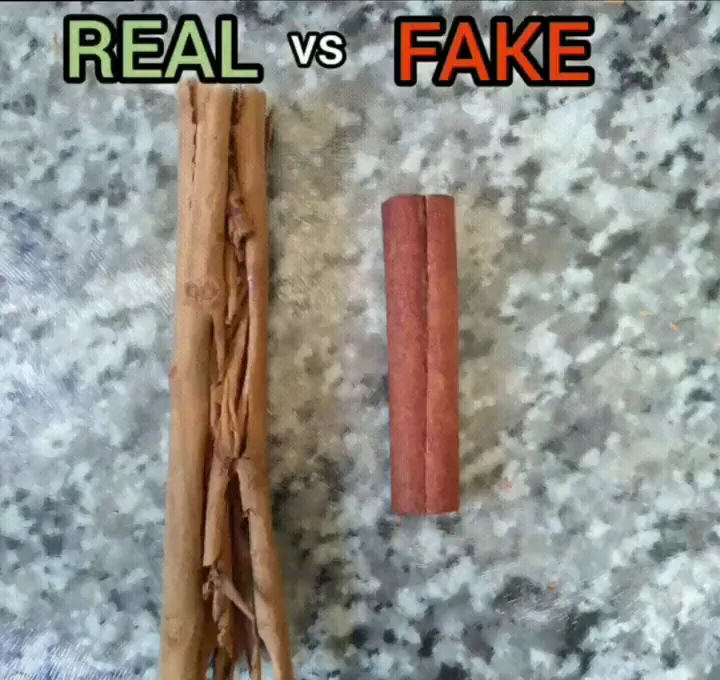
It had a similar smell. A stronger, harsher flavor, but close enough.
And it cost a fraction of the price.
So it was given the same name.
And sold on the same shelf.
Today, the overwhelming majority of “cinnamon” sold around the world is cassia.
The product that became famous for the benefits of Ceylon…
Is sold as if it were the same thing.
This is why the drugstore capsules so often disappoint.
People try “cinnamon,” feel nothing after three months, and quietly give up.
Never realizing they were handed the wrong species from the start.
Why the Plant Is the Whole Point
Here’s the part the label counts on you never asking.
The reputation cinnamon carries did not come from cassia.
It came from a USDA research center in Beltsville, Maryland, where a scientist named Dr. Richard Anderson stumbled onto it by accident. He was testing common foods for what they did to blood sugar, and one of them, an apple pie of all things, produced a result that made no sense. When he took the pie apart ingredient by ingredient, the one that explained it was the cinnamon.
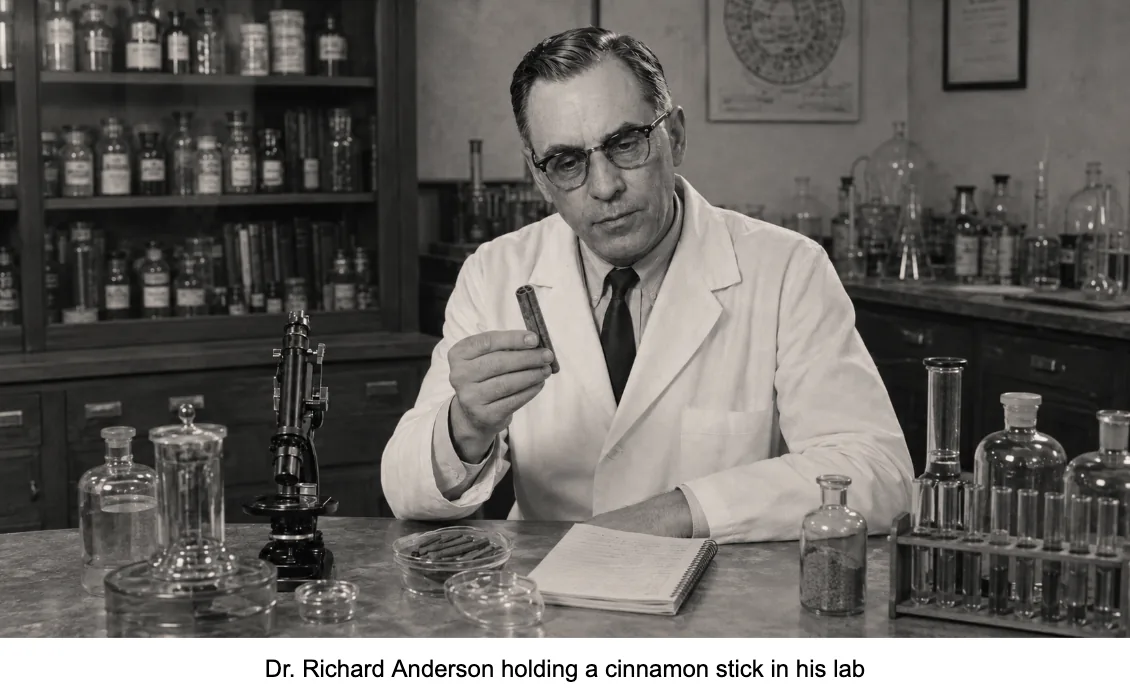
From it, his team isolated a compound called MHCP. In the lab, MHCP has been studied for the way it may support the body’s own response to insulin. Anderson called it the most significant finding of his 25-year career.
That is the study people quote. That is the reputation.
And it was built on Cinnamomum verum. True cinnamon. The plant that costs more.
Not the plant in the jar.
A reader of ours, a retired school nurse from Ohio, tells the whole apple pie story, and what it explained about her own numbers, here.
The Label Loophole
Now look at your jar again, because the wording is not an accident.
In the United States, the word “cinnamon” on a label is allowed to mean either species. Nobody is required to say which one is inside.
So here is how to read a label like someone who knows:
- “Cinnamon.” Just the word, nothing else. Cassia, almost without exception.
- “Saigon cinnamon,” “Korintje,” “Chinese cinnamon,” “Vietnamese cinnamon.” All cassia. Different origins, same thick bark. The fancier the name, the more likely it is to fool you.
- “Ceylon cinnamon” or “Cinnamomum verum.” The real thing. If a brand paid for Ceylon, it says so, because Ceylon costs several times more.
- The price. A big jar for a few dollars is cassia. Real Ceylon is hand-peeled in one region of one island. It has never been cheap.
Most cinnamon capsules sold for blood sugar support fall into the first group. Read the back of the bottle. If the species isn’t named, you already know the answer.
And the Cheap One Comes With a Catch
There’s a second reason this matters, and it’s the reason regulators got involved.
Cassia is naturally high in a compound called coumarin. Ceylon is naturally low in it. For an occasional sprinkle, nobody cares. For someone taking cinnamon every single day, for months, the numbers add up enough that the FDA set a tolerable daily limit, and the two cinnamons land worlds apart on it.
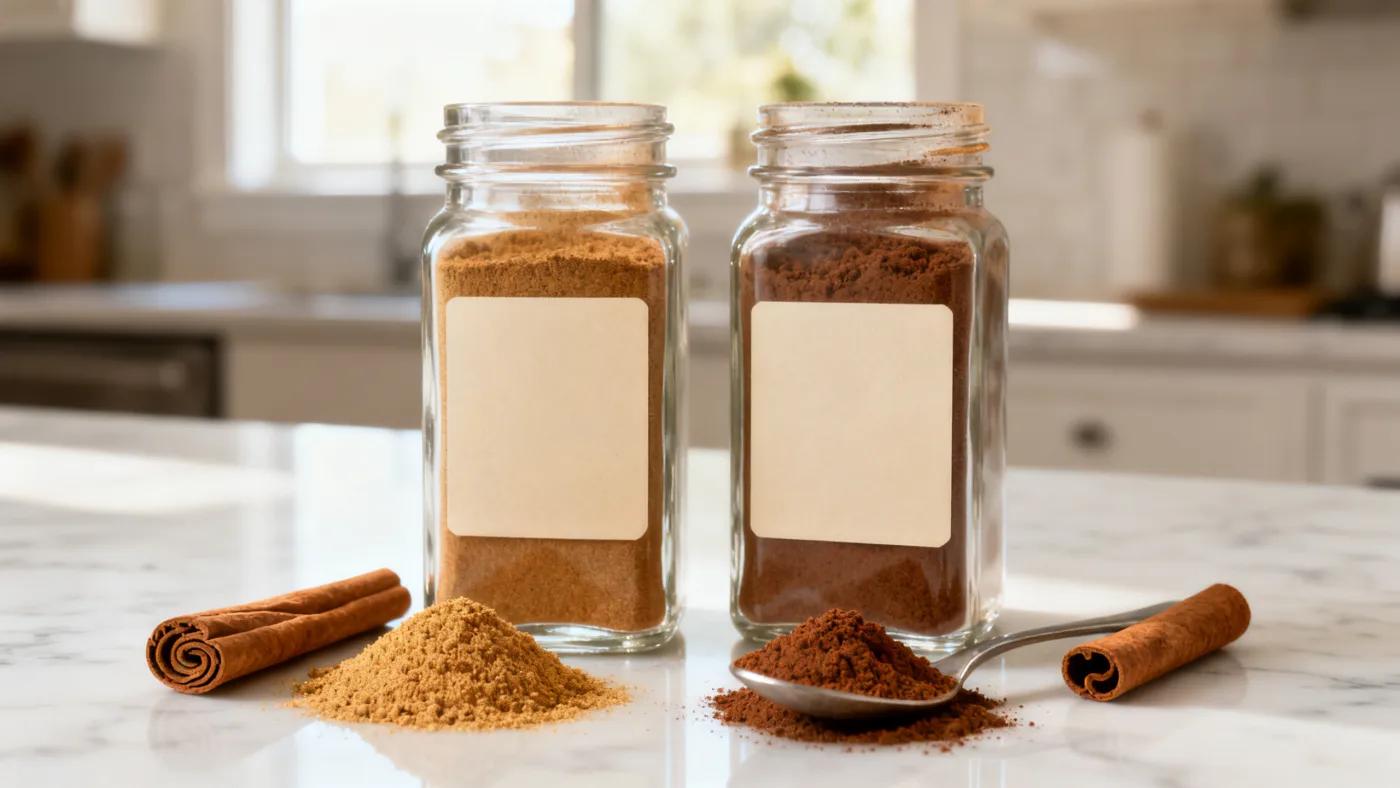
That is why frequent users are steered toward Ceylon, if they even know to ask. We wrote the full warning, with the math, here. If you take cinnamon daily, read it before your next spoonful.
So What Were the People of Sri Lanka Doing Differently?
Here’s where most articles stop short.
Because the story isn’t only which cinnamon. It’s how it was used.
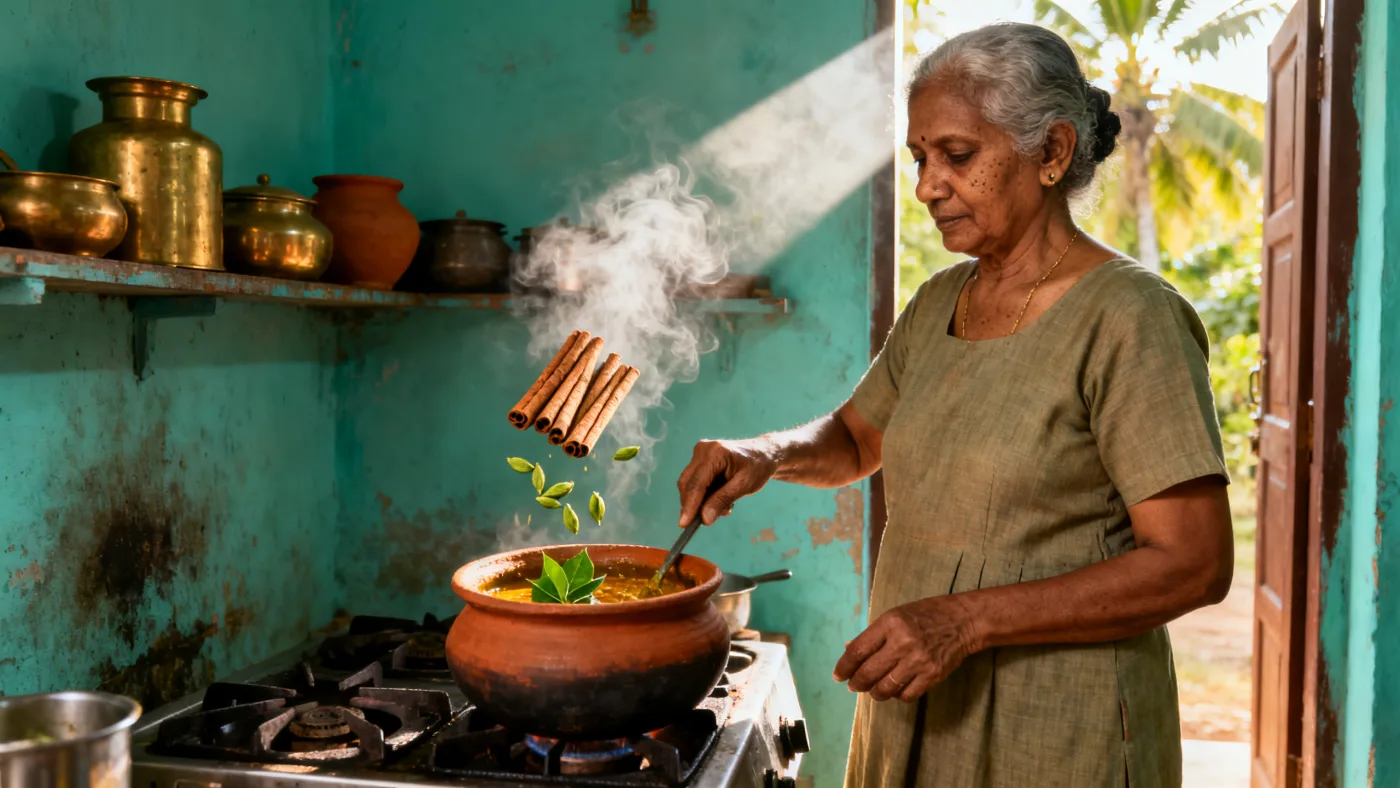
For generations, Sri Lankan families have passed down a morning tradition using the inner bark of Cinnamomum verum. Not a pinch on a dessert. A daily habit. Present in meals throughout the day, from childhood, for decades.
And researchers began noticing something.
Despite major changes in diet and lifestyle around the world, Sri Lanka has historically maintained one of the lowest diabetes rates compared to many Western countries.
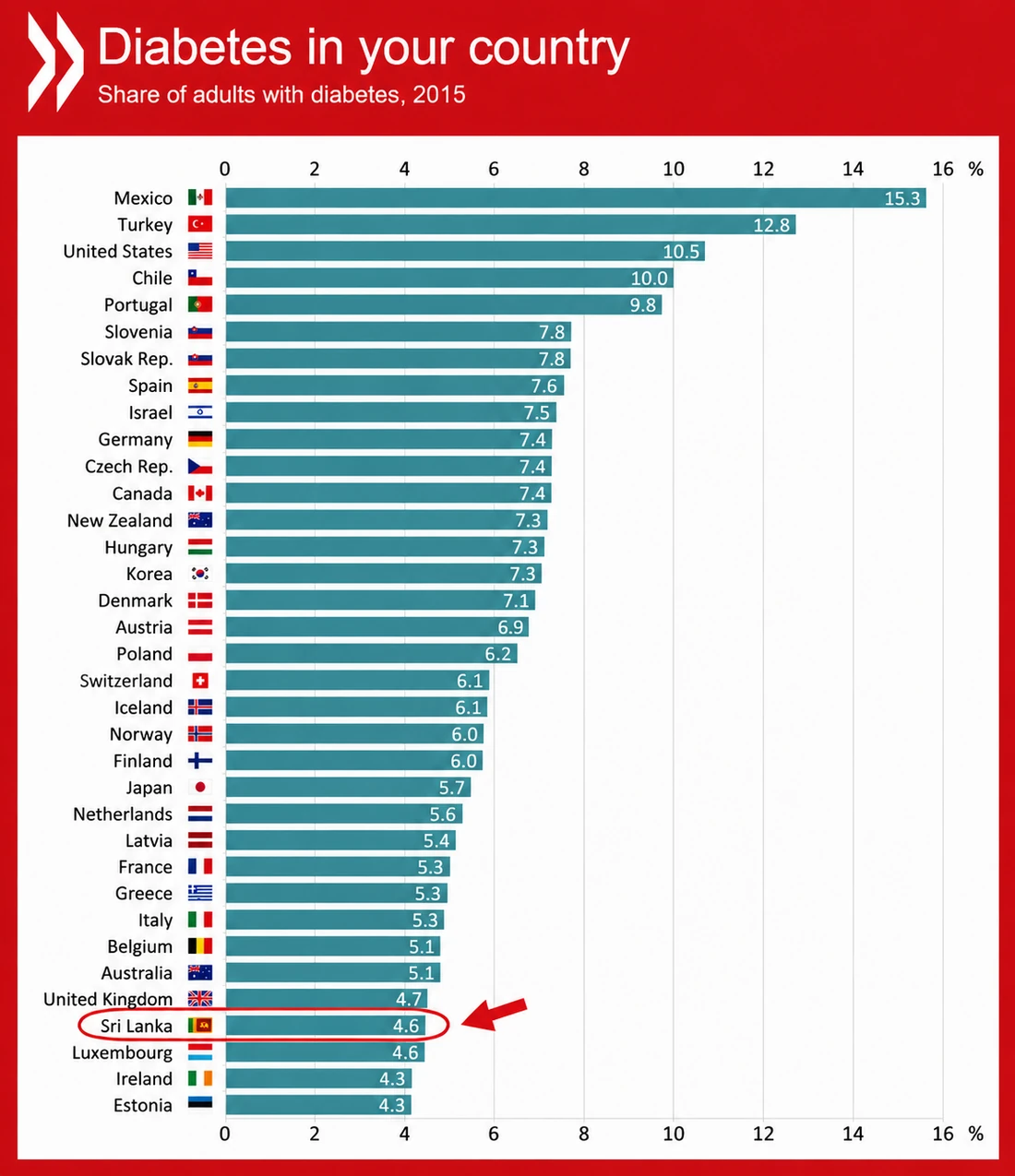
Many scientists started asking whether this daily habit could be part of the reason.
Notice the two things it takes. The right plant. And enough of it, every day.
Even the Right Plant in a Jar Isn’t Enough
Let’s say you find real Ceylon.
Powdered. In the cabinet. A spoonful in your coffee.
Even then, it would hardly settle the question.
Because the concentrations studied in the lab don’t appear in a pinch of seasoning. The people of Sri Lanka don’t use a pinch. They consume it from childhood, in meals throughout the day, for decades.
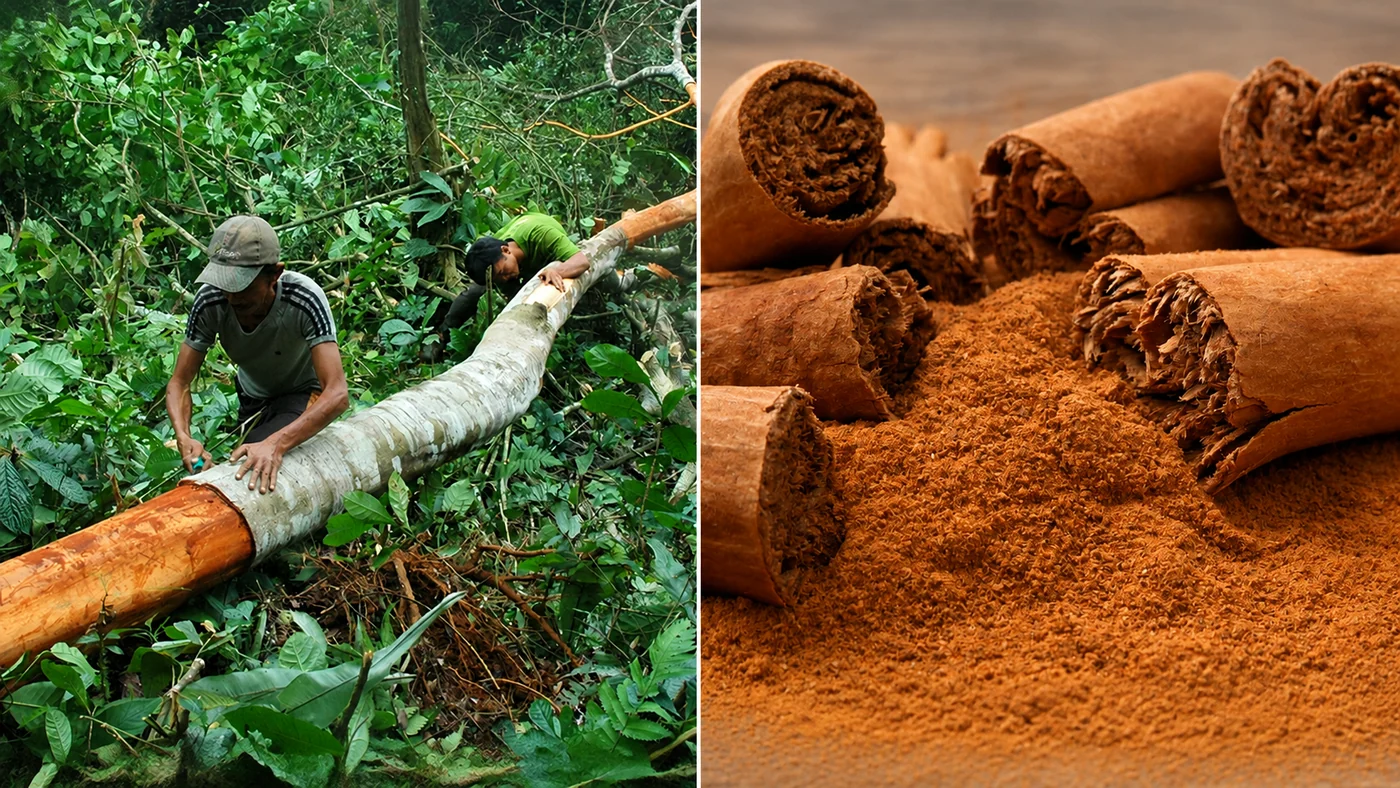
So to get what the studies were actually looking at, you would need two things at once:
- The right species. Verified Ceylon, not a label that says “cinnamon.”
- A real concentration. The equivalent of thousands of milligrams of bark, every day. Something no jar and no drugstore capsule delivers.
Having one without the other doesn’t work. And that is where practically every product on the shelf fails on at least one of the two.
What “DNA-Verified” and “12:1” Actually Mean
One product we looked at was built specifically around those two problems.
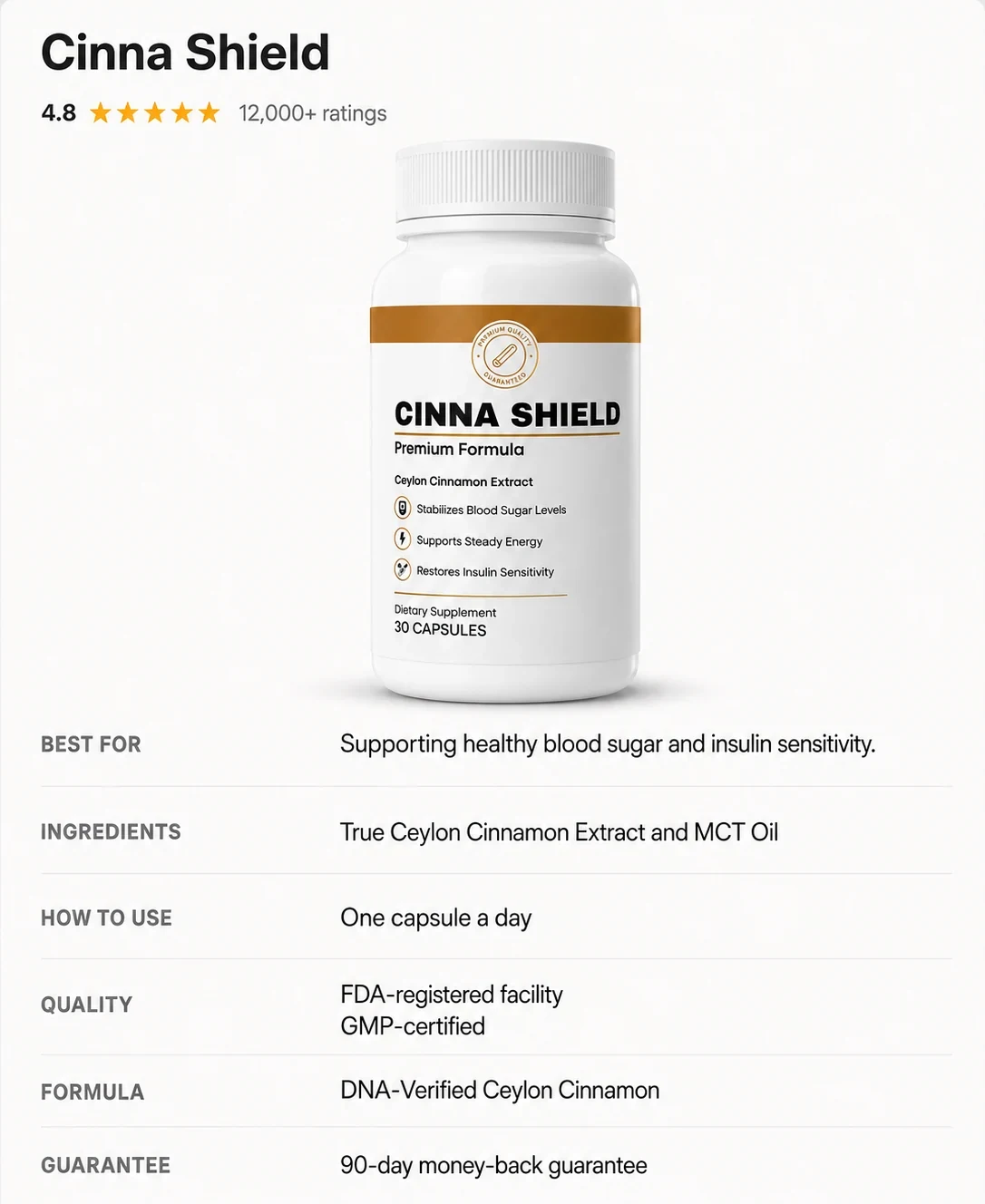
It’s called Cinna Shield®, and it was formulated with NLabs, one of the more respected laboratories in the U.S.
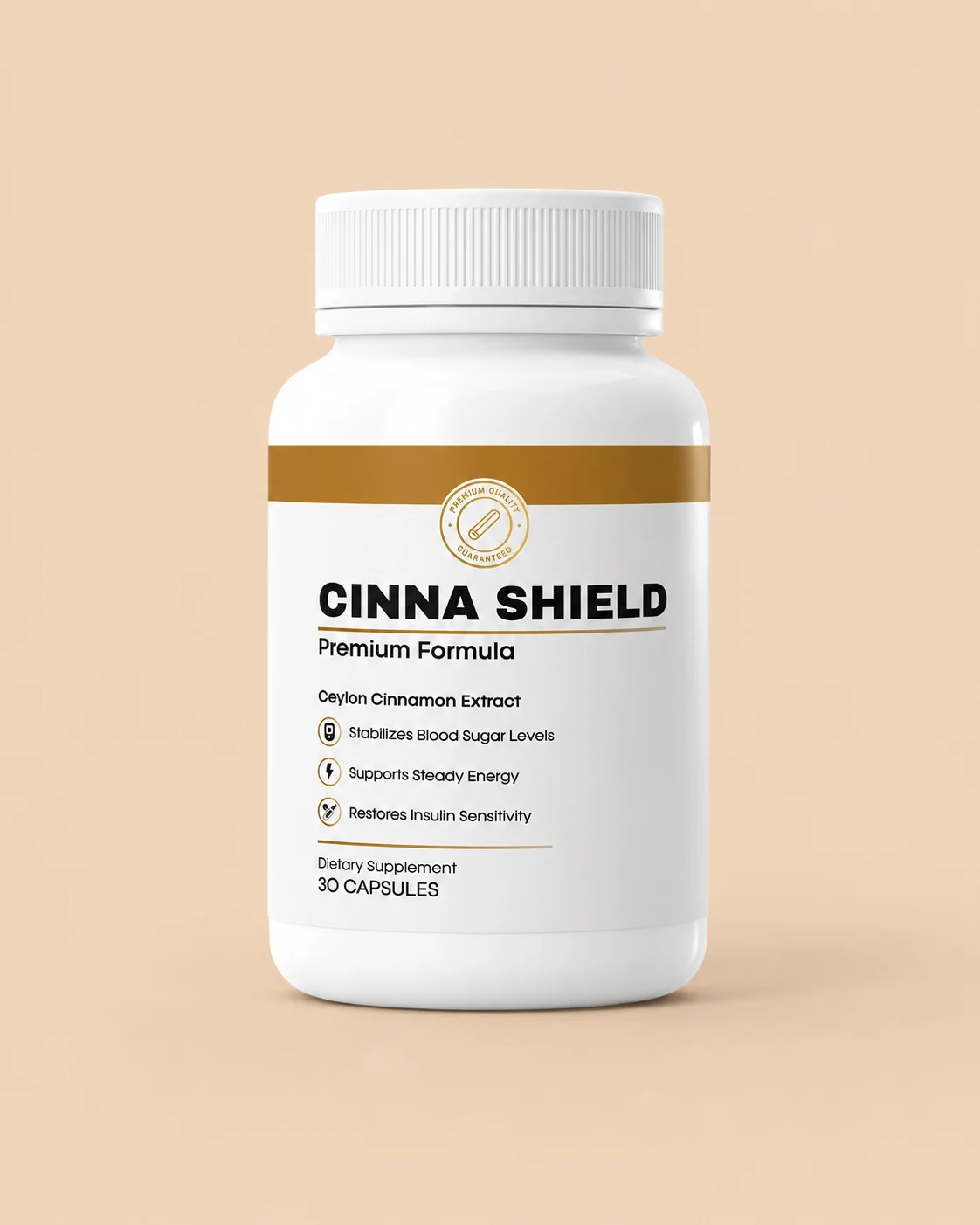
Two numbers on the label are the entire product. Here is what they mean in plain English.
“DNA-verified” means the plant was tested, not just purchased
DNA testing identifies the botanical species of the raw material. Not the smell. Not the color. The species. It is the only way to guarantee that what went into the capsule is Cinnamomum verum, and not the bark the industry sells under the same name.
“12:1” means twelve kilograms of bark go into one kilogram of extract
That is why a single capsule delivers the equivalent of 7,200 mg of raw Ceylon bark. You couldn’t eat that. Not as powder, not in coffee, not every day.
That is the distance between using cinnamon as a seasoning and using it as part of a daily blood sugar routine.
It’s the difference you can feel.
★★★★★
What Readers Who Made the Switch Told Us
Reviews from people who checked their jar and changed plants
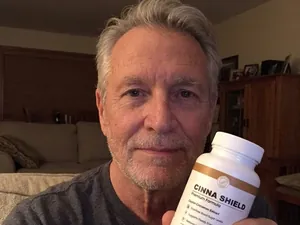
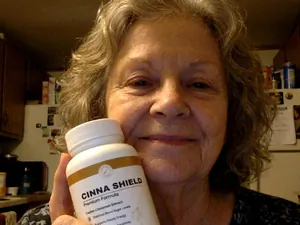
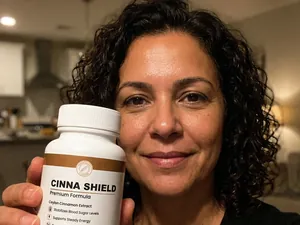
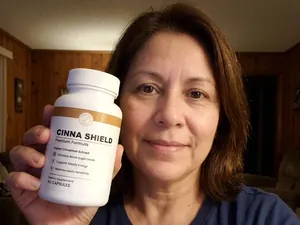
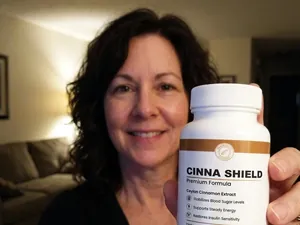
4.9★★★★★
Wish I’d Known About Ceylon vs Cassia Years Ago!
My husband had been taking cinnamon capsules from the drugstore for blood sugar support, but they weren’t doing much and sometimes caused heartburn. I researched and learned most store brands use Cassia cinnamon, which can stress your liver. Cinna Shield uses real Ceylon cinnamon. Within a month, his energy was steadier and his mornings felt steadier and more consistent. The capsules are much easier on his stomach too.
 Patricia S.✓ Verified Customer
5.0★★★★★
Quality You Can Actually Feel Working!
As a retired nurse, I’m very particular about supplements. Most are cheap fillers with barely any active ingredients. Cinna Shield Ceylon Cinnamon is clearly premium — you can tell by the 12-to-1 concentration from authentic Sri Lankan Ceylon bark. I’ve been taking it for 3 months and my energy levels are the most stable they’ve been in years. No more 2 PM sugar cravings, no digestive upset, and I just feel more consistent day to day. Worth every penny.
 Joyce T.✓ Verified Customer
Individual results may vary*
What the Wrong Jar Has Already Cost You
Be honest about the arithmetic, because most people never do it.
- The drugstore capsules. $12 here, $18 there, a new bottle every month for a year. Cassia, every one of them.
- The powder in the coffee. Three months of a habit you kept up hoping to see the number move.
- The conclusion you drew. “Cinnamon doesn’t work for me.” Based on a plant that was never the one in the studies.
- The time. A year, two years, of watching the meter with the wrong thing in the cabinet.
None of it was your fault. But none of it was free, either.

The 90-Day Test
Do the test the way a researcher would. Ninety days. One capsule a day. Real Ceylon, verified, concentrated.
Watch for the early signs: steadier energy through the afternoon, less of the sleepiness after lunch, mornings that feel more even.
If after 90 days you don’t feel a difference, or if for any reason you aren’t satisfied, send the company’s team an email and ask for your money back. Empty bottles. No questions. Nobody is going to tell you that you did something wrong.
You keep the result or you keep the money.
The only thing you can’t do is keep judging cinnamon by the wrong plant.
How to Check If It’s Right for You
Before anything ships, you answer six quick questions: your age, what your mornings look like, how long this has been going on, and what you’ve already tried.
At the end you’ll see whether real Ceylon matches your pattern. If it does, your price and the complete package appear in the result.
It takes under a minute.
Then go check your jar.
Check If Real Ceylon Is Right for Me →Six questions. Under a minute. 90-day guarantee.
Comments
Denise Whitaker
Just went and looked. Mine says CINNAMON in big letters and nothing else. Ten years of this in my coffee.
Like · Reply · 6 · 41 min
Roger Blanchard
Saigon cinnamon is cassia?? I paid extra for that one thinking it was the good stuff.
Like · Reply · 4 · 1 h
Denise Whitaker
Same, Roger. The name sounds fancy. That’s the whole trick.
Like · Reply · 3 · 52 min
Marlene Ott
Retired pharmacist here. The species point is real. Most capsule brands buy whatever bark is cheapest that quarter.
Like · Reply · 9 · 2 h
Greg Hollis
Took the six questions, ordered the 6-month. Will report back.
Like · Reply · 5 · 2 h
Judy Karam
How long does shipping take?
Like · Reply · 2 · 3 h
Greg Hollis
Mine came in four days, Judy.
Like · Reply · 4 · 2 h
Tom Villanueva
Sent this to my sister. She’s been doing the coffee thing for years with the Costco jar.
Like · Reply · 3 · 4 h